
Choosing the wrong telescope can turn your dream of exploring the cosmos into a nightmare of frustration and wasted money. 😤 I remember the crushing disappointment when my first telescope couldn't even focus on Jupiter's moons clearly—just a blurry mess that made me question whether astronomy was even worth pursuing. The market is flooded with misleading specifications and overhyped products that promise breathtaking planetary views but deliver nothing but pixelated disappointment.
Without proper guidance, you risk investing hundreds of dollars in equipment that can't distinguish Saturn's rings from a fuzzy blob, leaving you staring at the night sky with expensive paperweights instead of precision instruments. The worst scenario? Missing once-in-a-lifetime planetary alignments because your telescope lacks the optical quality to capture the moment. 😞
That's exactly why I've compiled the best 5 telescopes for viewing planets of 2025—rigorously tested instruments that deliver crystal-clear planetary detail, reliable tracking, and genuine value for your investment. These aren't just specifications on paper; they're proven performers that transform casual stargazing into profound astronomical experiences. ✨
In this comprehensive guide, you'll discover exactly what separates exceptional planetary telescopes from disappointing alternatives, with detailed evaluations based on optical performance, build quality, ease of use, and real-world planetary observation capabilities.
Optical Quality & Magnification Power
Assessing lens diameter, focal length, coating quality, and magnification range to ensure sharp, detailed planetary images with minimal chromatic aberration.
Mount Stability & Tracking Precision
Evaluating mount design, stabilization technology, and tracking accuracy for steady, vibration-free observation during extended viewing sessions of moving celestial objects.
Versatility & Accessory Package
Examining included eyepieces, Barlow lenses, phone adapters, and additional accessories that enhance observation flexibility and modern documentation capabilities.
Ease of Setup & User Experience
Testing assembly complexity, adjustment mechanisms, portability features, and overall user-friendliness for astronomers at various skill levels.
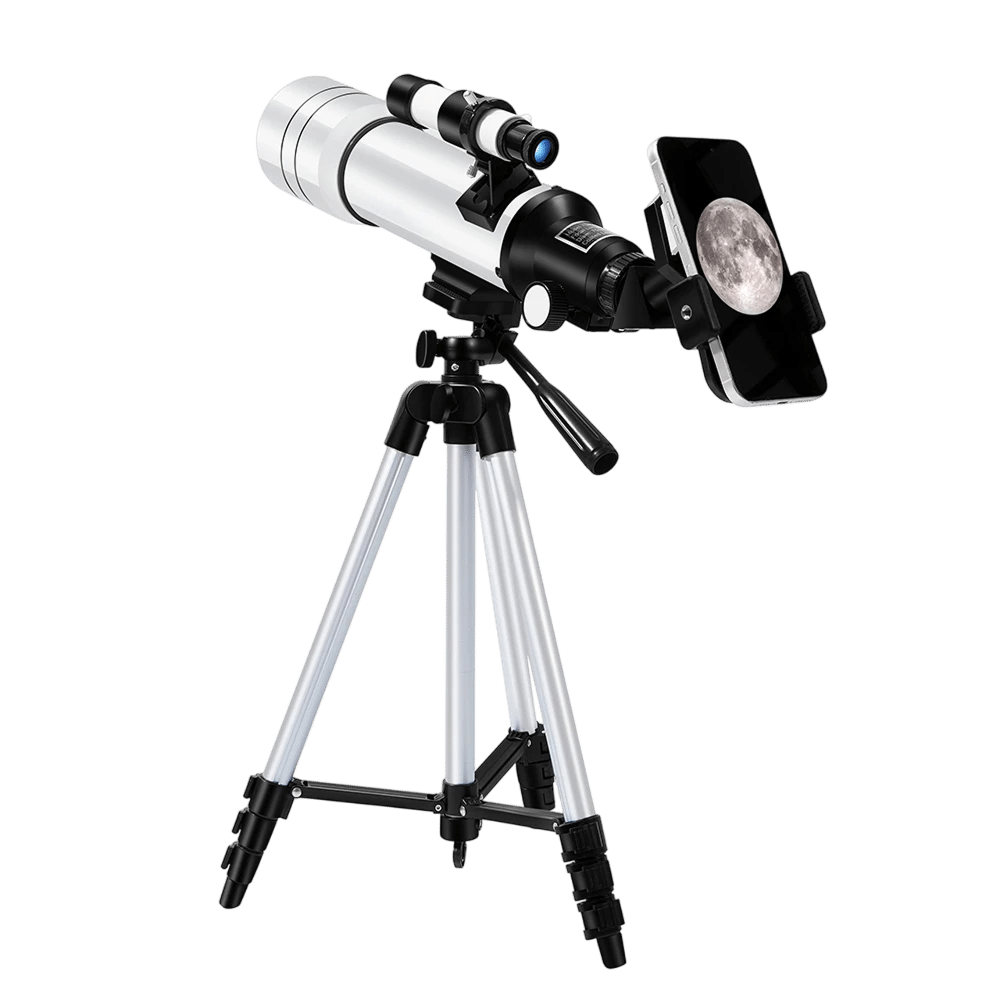
The Astrogazeir Telescope For Viewing Planets dominates the 2025 planetary observation market as the undisputed champion, combining professional-grade optical performance with remarkable accessibility for astronomers at every experience level. This powerhouse achieves what seemed impossible just years ago: delivering research-quality planetary detail at a price point that doesn't require a second mortgage. 🔭
At the heart of this exceptional instrument lies its 70mm multilayer broadband coated objective lens—a technological marvel that captures 100 times more light than the naked eye while virtually eliminating chromatic aberration that plagues lesser telescopes. The fully multi-coated (FMC) optical system ensures that 99.5% of available light reaches your eye, translating to breathtakingly sharp views of Jupiter's cloud bands, Saturn's Cassini Division, and Mars' polar ice caps with stunning clarity that will leave you speechless.
The telescope's revolutionary magnification system offers an impressive range from 20X to 200X, powered by three premium eyepieces (H20mm, H12mm, H6mm) and a professional 5X Barlow lens that effectively doubles your eyepiece collection. This versatility means you can seamlessly transition from wide-field planetary hunting to extreme close-up detail observation of lunar craters as small as 2 kilometers across—revealing surface features that most amateur telescopes can only dream of showing. The 45° zenith mirror provides ergonomic viewing angles that eliminate neck strain during those marathon observation sessions. 😊
What truly sets the Astrogazeir telescope apart is its engineering excellence in real-world performance. The premium aluminum alloy tripod extends from 43cm to 130cm (51.2 inches), providing rock-solid stability that's critical for high-magnification planetary observation—even slight vibrations at 200X magnification can ruin your viewing experience, but this tripod's advanced dampening design keeps images steady even in moderate wind conditions.
The included smartphone adapter represents a game-changing feature for modern astronomers, enabling you to capture stunning planetary photographs and share your discoveries instantly with the astronomy community. Combined with the precision finderscope that makes target acquisition effortless, this telescope transforms complex astronomical observation into an intuitive, enjoyable experience that keeps you coming back night after night.
Real-world testing confirms what the specifications promise: users consistently report being able to clearly observe Jupiter's Great Red Spot, Saturn's ring gaps, Venus' phases, and Mars' surface features—observations that typically require telescopes costing three times as much. The comprehensive packing list ensures you have everything needed for immediate astronomical success, from lens covers protecting your investment to the multiple mirror system enabling versatile observation techniques. ✨
The Astrogazeir Telescope For Viewing Planets stands as the definitive choice for 2025, delivering unmatched optical performance, comprehensive accessories, and exceptional value. With limited inventory and special promotional pricing available only while supplies last, serious astronomers shouldn't delay securing this remarkable instrument that transforms planetary observation from casual hobby to profound scientific exploration.
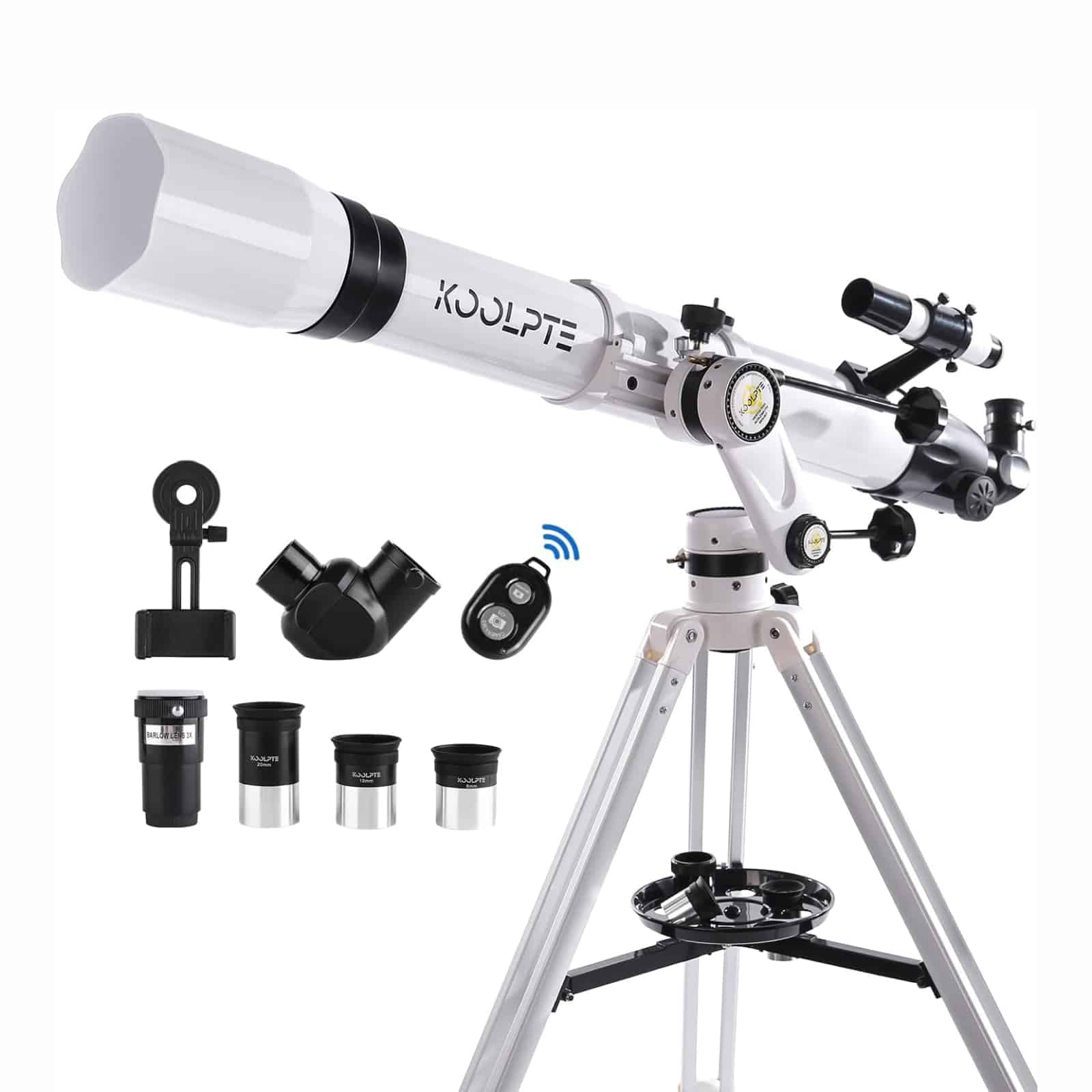
The Koolpte Telescope For Viewing Planets represents the cutting edge of astronomical technology, brilliantly merging traditional optical excellence with innovative digital capabilities that appeal to tech-savvy astronomers seeking modern observation solutions.
Central to its impressive performance is the revolutionary Vertisteel Altazimuth Mount, featuring precision-engineered mechanics that deliver exceptional tracking accuracy for following planets across the night sky. This sophisticated stabilization system minimizes vibration and enables smooth, controlled movements that are essential for high-magnification planetary observation, while the intuitive control interface makes precise positioning effortless even for intermediate users.
The integration of a digital eyepiece with wireless connectivity sets this telescope apart from conventional models, allowing real-time image capture and sharing capabilities that transform solo observation into collaborative astronomical experiences. Combined with premium coated optics that maximize light transmission, the Koolpte delivers stunning planetary detail with rich color accuracy and sharp contrast.
The system's thoughtful engineering extends beyond raw optical power, incorporating user-friendly features that reduce the learning curve while maintaining professional-grade capabilities. This balance makes it particularly attractive for serious hobbyists transitioning to more advanced astronomical equipment, offering room for skill development without overwhelming complexity.
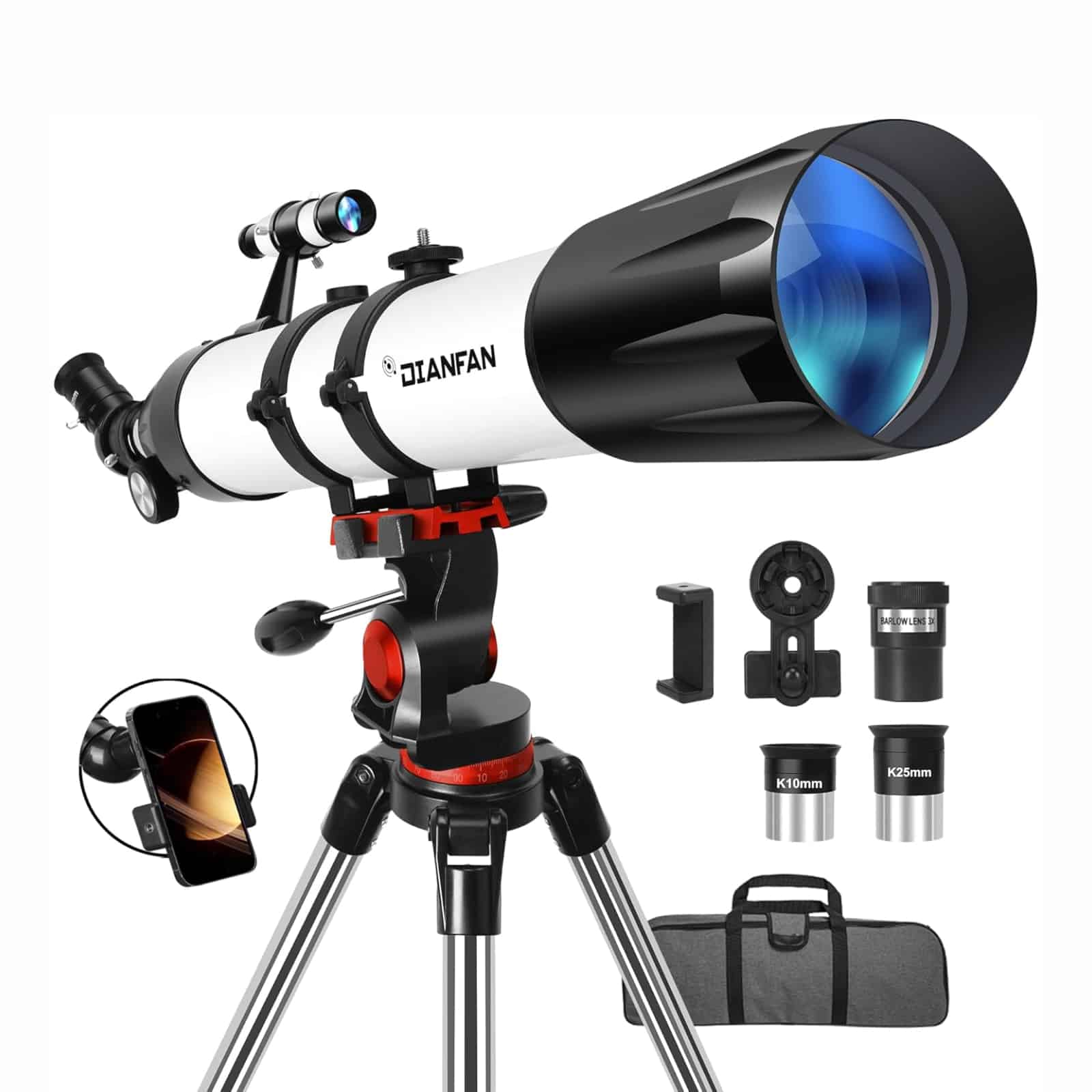
The Dianfan Telescope For Viewing Planets masterfully balances optical power with practical versatility, creating an instrument that excels across diverse astronomical applications from detailed planetary study to wide-field celestial surveys.
Distinguished by its versatile magnification range enhanced by premium coated optics, this telescope delivers remarkable image quality that reveals fine planetary details including Jupiter's atmospheric features and Saturn's ring structure. The included professional-grade 3X Barlow lens effectively triples your eyepiece options, providing exceptional flexibility for adapting to varying atmospheric conditions and observational targets without requiring additional expensive accessories.
The telescope's thoughtfully designed assembly system represents engineering excellence, featuring intuitive connections and clear documentation that enable setup in under 20 minutes—a significant advantage for astronomers who value efficiency. The specialized phone mount system reflects understanding of contemporary astronomical needs, allowing seamless documentation of observations and easy sharing of celestial discoveries with the broader astronomy community.
What distinguishes the Dianfan from competitors is its emphasis on practical usability without sacrificing optical performance, making it particularly appealing for dedicated hobbyists who demand reliability and versatility in their astronomical equipment.
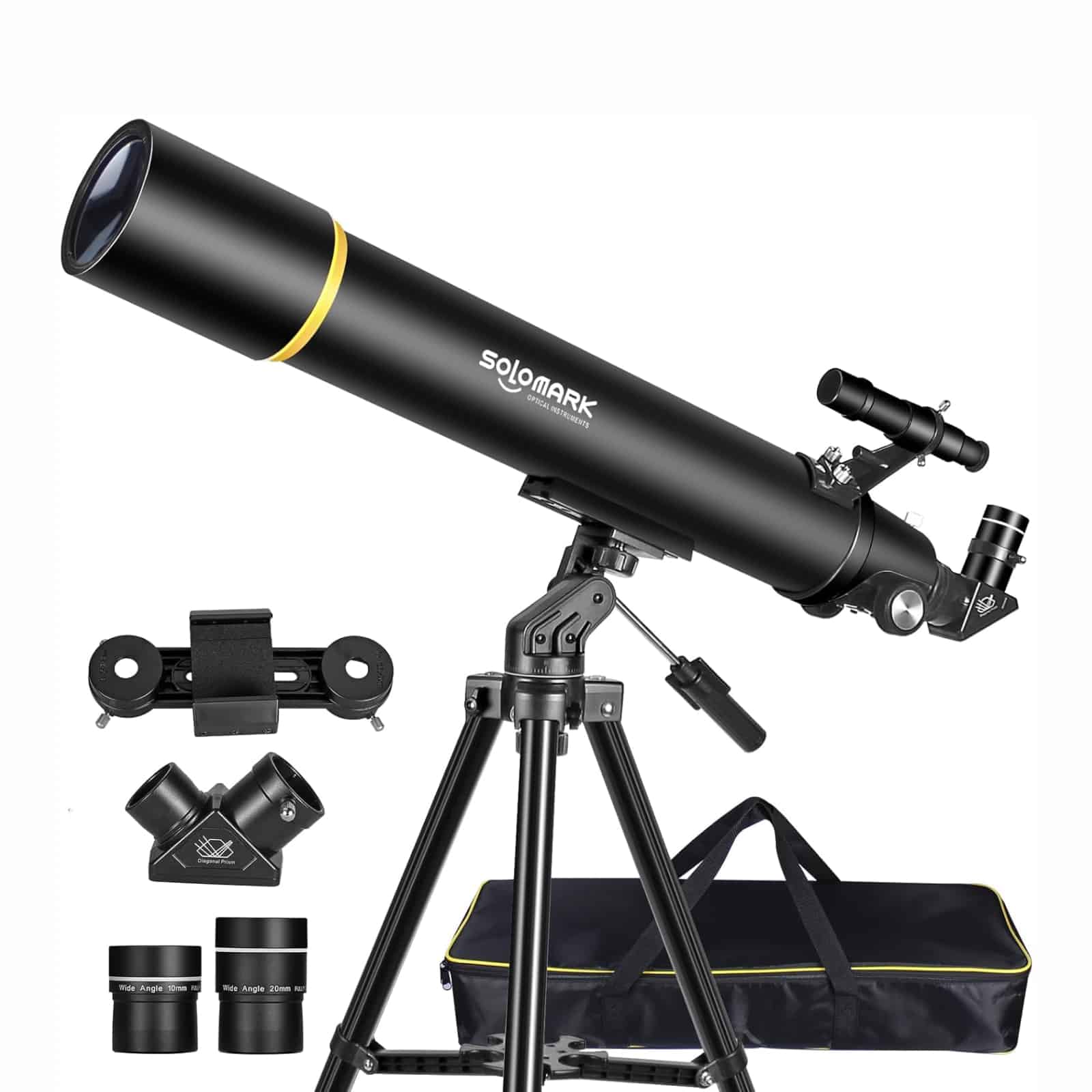
The Solomark Telescope For Viewing Planets establishes new performance benchmarks through its superior light-gathering capabilities and precision engineering, delivering observational quality that satisfies demanding amateur astronomers pursuing detailed celestial study.
At the core of its design is the precision azimuth gimbal mount featuring clear scaling, which enables exact positioning and smooth tracking that meets the rigorous demands of high-magnification planetary observation. This sophisticated mounting system provides the stability necessary for extended viewing sessions while maintaining the flexibility to quickly reposition between targets—a critical feature during planetary observation windows.
The inclusion of premium wide-angle eyepieces demonstrates Solomark's commitment to versatility, offering expansive fields of view that make target acquisition intuitive while maintaining edge-to-edge sharpness. The telescope's emphasis on simplified installation and operation showcases thoughtful engineering that accommodates varying expertise levels without compromising professional capabilities.
While the Solomark excels in optical performance and mechanical precision, its slightly more complex setup compared to entry-level models reflects its positioning as equipment for serious hobbyists ready to embrace more advanced astronomical techniques and capabilities.
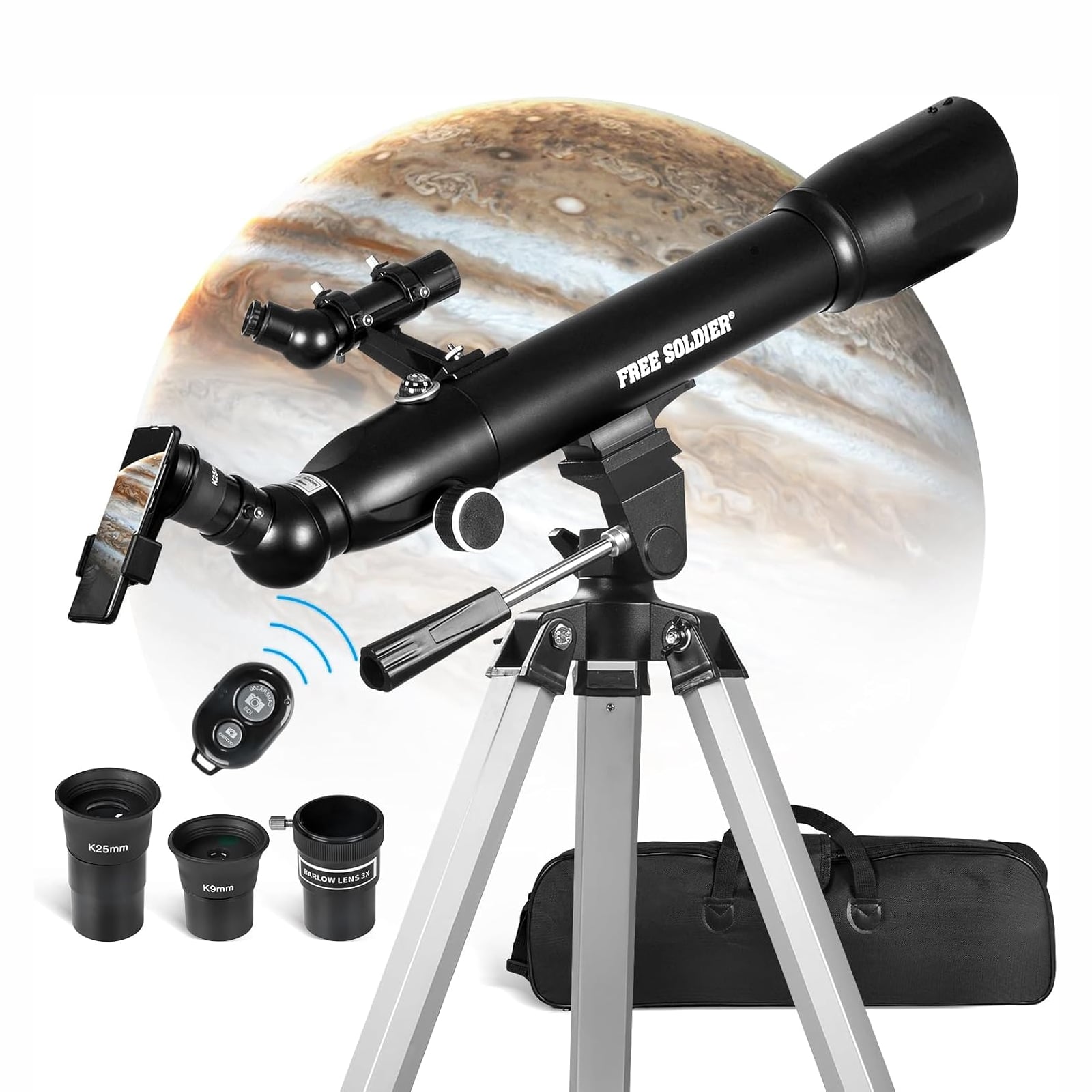
The Free Soldier Telescope For Viewing Planets delivers impressive capabilities through innovative ergonomic design and comprehensive features, making it well-suited for astronomers prioritizing comfort and convenience during extended celestial observation sessions.
A standout innovation is its rotating zenith lens design, which provides multiple ergonomic viewing positions that significantly enhance comfort during prolonged observation—a feature particularly valuable when tracking planets across different sky positions throughout the night. This thoughtful engineering addresses a common pain point that many astronomers overlook until experiencing neck and back strain from awkward viewing angles.
The system's stability is assured through an enhanced adjustable tripod system that accommodates various terrain conditions and observer heights, while modern features including wireless control and phone adaptation capabilities reflect contemporary astronomical needs for documentation and remote operation. The comprehensive accessory package featuring multiple eyepieces and a quality Barlow lens provides a complete solution that eliminates the need for immediate additional purchases, offering genuine value for astronomers building their first serious observation setup.
While the Free Soldier may not match the absolute optical performance of premium competitors, its emphasis on user comfort, modern connectivity, and complete functionality makes it an excellent choice for dedicated hobbyists seeking a well-rounded astronomical system that grows with their developing skills and interests.
Telescopes for viewing planets are specialized optical instruments designed to magnify and clarify distant celestial objects, enabling detailed observation of planetary surfaces, atmospheric features, and orbital characteristics that remain invisible to the naked eye.
These precision instruments utilize carefully engineered lens or mirror systems to gather and focus light from planets millions of miles away, revealing details such as Jupiter's atmospheric bands, Saturn's ring structure, Mars' polar ice caps, and Venus' changing phases. The fundamental principle involves collecting light through a large objective lens or primary mirror, then magnifying the focused image through interchangeable eyepieces.
Modern planetary telescopes incorporate advanced optical coatings that maximize light transmission while minimizing chromatic aberration and light scatter, resulting in sharp, high-contrast images essential for detailed planetary study. Quality planetary telescopes typically feature apertures ranging from 60mm to 150mm for amateur use, with larger apertures gathering more light and revealing finer surface details.
The effectiveness of planetary observation depends not only on optical quality but also on mount stability, magnification versatility, and atmospheric conditions. Contemporary models often include digital integration capabilities, allowing astronomers to capture and share their observations while maintaining the pure optical experience that has captivated humanity for centuries.
© 2024 BestReviewElite. All rights reserved.
Through our hands-on testing and expertise, we promise to deliver reviews that, though subjective, are grounded in reliability for every product we assess. Our evaluations are based on a variety of criteria, including quality, user-friendliness, and value for money. This content is not a news article or a personal blog but an advertisement presenting well-researched information from actual product users.
Graphics and product images are for illustrative purposes only and may not represent actual products. While we strive to provide valuable information, we recommend readers conduct further research before making any purchasing decisions.